
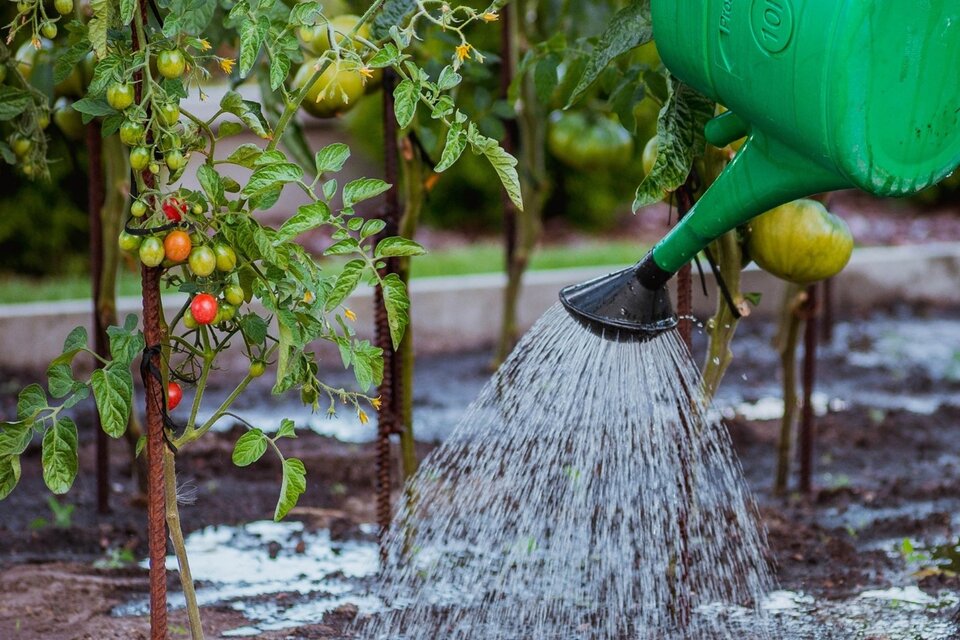
Outdoor vegetable gardening can be highly rewarding, but it often requires careful water management to maintain healthy plants and conserve resources. Efficient watering practices not only reduce waste but also improve soil structure, strengthen root systems, and increase crop productivity. By adopting practical and proven strategies, gardeners can maintain thriving vegetable beds even in water-limited conditions.
Understanding Why Water Conservation Matters In Vegetable Gardens
Water conservation supports both plant health and environmental sustainability. Overwatering leads to shallow roots, nutrient loss, fungal diseases, and unnecessary water consumption. In contrast, controlled irrigation encourages deeper root growth and stronger plant resilience.
Key benefits include:
- Improved moisture retention in soil
- Reduced plant stress during warm periods
- Lower water bills and resource use
- Healthier microbial activity in garden beds
- Better yield quality and consistency
Understanding these advantages makes it easier to adopt efficient watering habits.
Choose The Right Time To Water
Watering at the correct time significantly improves absorption efficiency.
The best time to irrigate outdoor vegetable gardens is early morning. Cooler temperatures reduce evaporation and allow plants to absorb moisture before the heat of the day. Evening watering can also be effective, but moisture lingering overnight may increase disease risk in some climates.
Best timing practices include:
- Water before sunrise when possible
- Avoid midday watering during peak sunlight
- Maintain consistent watering schedules
Consistency helps plants establish stronger root systems.
Apply Mulching To Reduce Moisture Loss
Mulching is one of the most effective moisture-saving techniques available to home gardeners. A protective layer over soil reduces evaporation and maintains stable soil temperature.
Common mulch materials include:
- Straw
- Dry leaves
- Grass clippings
- Compost
- Wood chips
Benefits of mulching:
- Reduces watering frequency
- Prevents weed growth
- Protects soil from temperature extremes
- Improves soil fertility over time
Apply mulch evenly around plants while keeping stems uncovered.
Install Drip Irrigation Systems
Drip irrigation delivers water directly to plant roots where it is needed most. Compared to traditional watering methods, it significantly reduces evaporation and runoff.
Advantages of drip irrigation include:
- Precise moisture delivery
- Lower water consumption
- Reduced weed growth between rows
- Prevention of leaf diseases caused by overhead watering
Even simple gravity-fed drip systems connected to storage containers can improve water efficiency.
Improve Soil Structure With Organic Matter
Healthy soil stores moisture more effectively. Adding organic material increases the soil’s ability to retain water while improving drainage balance.
Recommended soil improvements:
- Compost
- Well-rotted manure
- Leaf mold
- Coconut coir
These materials create a sponge-like soil texture that supports long-term moisture availability.
Use Raised Beds With Smart Soil Blends
Raised beds allow gardeners to control soil composition and drainage more effectively. A balanced mix of compost, topsoil, and organic matter increases water retention while preventing waterlogging.
Raised beds also:
- Warm faster in early growing seasons
- Reduce surface runoff
- Support deeper root development
Proper bed preparation improves irrigation efficiency throughout the season.
Practice Deep And Infrequent Watering
Light daily watering encourages shallow roots that dry quickly. Deep watering trains roots to grow downward where moisture remains longer.
Effective watering strategy:
- Water slowly and thoroughly
- Allow soil to dry slightly between sessions
- Observe plant leaf firmness as an indicator
This technique builds stronger and more drought-tolerant vegetable plants.
Collect Rainwater For Garden Use
Rainwater harvesting provides a sustainable irrigation source that reduces reliance on tap water.
Simple collection methods include:
- Installing rooftop rain barrels
- Using storage tanks near garden beds
- Directing runoff toward planting areas
Rainwater is naturally soft and beneficial for vegetable growth.
Group Plants Based On Water Needs
Different vegetables require different moisture levels. Grouping plants with similar watering needs prevents unnecessary irrigation.
Examples of efficient grouping:
High water requirement plants:
- Tomatoes
- Cucumbers
- Lettuce
Moderate water requirement plants:
- Beans
- Peppers
- Carrots
Lower water requirement plants:
- Herbs
- Okra
- Sweet potatoes
This approach improves irrigation precision across the garden.
Use Shade Techniques During Hot Weather
Temporary shading protects plants from excessive evaporation during extreme temperatures.
Practical shading methods include:
- Shade cloth installation
- Strategic planting near taller crops
- Garden trellis positioning
Reducing direct sun exposure during peak heat preserves soil moisture naturally.
Monitor Soil Moisture Regularly
Routine soil checks prevent unnecessary watering and protect plants from stress.
Simple monitoring techniques:
- Insert a finger into the soil two inches deep
- Observe soil color and texture
- Watch for leaf drooping during midday heat
Accurate observation helps maintain balanced watering schedules.
FAQs
How often should outdoor vegetable gardens be watered during summer?
Most vegetable gardens benefit from deep watering two to three times per week depending on soil type and climate conditions.
Does mulching completely eliminate the need for watering?
Mulching reduces watering frequency but does not replace irrigation entirely. Plants still require consistent moisture supply.
Which vegetables tolerate low watering conditions best?
Vegetables such as okra, eggplant, sweet potatoes, and many herbs perform well with moderate moisture levels once established.
Can drip irrigation be installed without professional help?
Yes. Many drip irrigation kits are designed for home gardeners and can be installed using basic tools.
Is rainwater better than tap water for vegetable plants?
Rainwater is typically free from chlorine and salts, making it beneficial for long-term soil health and plant growth.
How deep should watering reach in vegetable beds?
Water should penetrate approximately six to eight inches into the soil to support strong root development.
Does soil type affect watering frequency?
Yes. Sandy soil drains quickly and requires more frequent watering, while clay soil retains moisture longer but needs careful management to avoid waterlogging.