
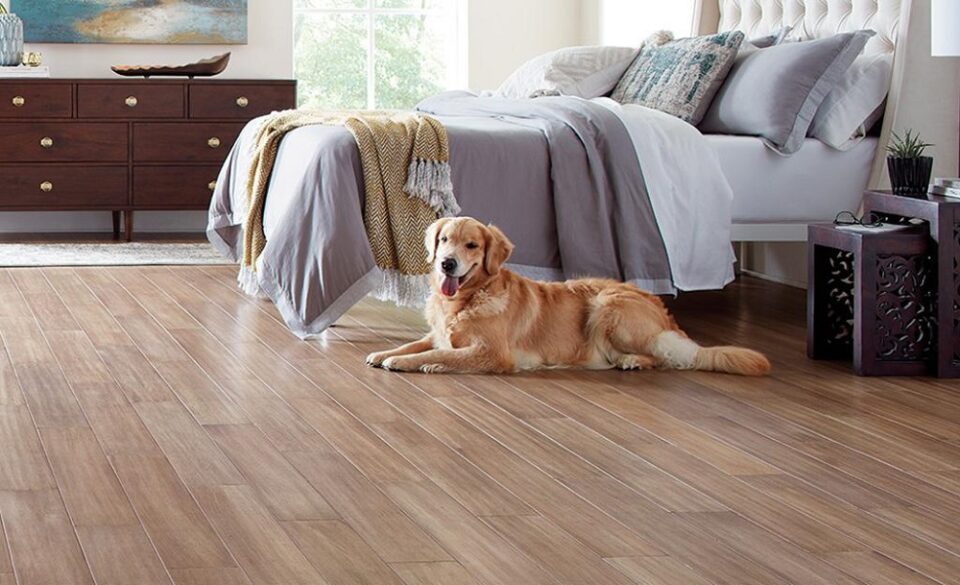
Choosing the right flooring for a home with energetic pets is not only about appearance. It is about durability, comfort, safety, and ease of maintenance. Active households with dogs or cats need surfaces that resist scratches, handle spills, reduce noise, and remain comfortable for both humans and animals.
This guide explains the most reliable pet friendly flooring materials, what to avoid, and how to choose the best option for long term performance.
Why Pet Friendly Flooring Matters
Pets bring movement, moisture, dirt, and occasional accidents indoors. Flooring that cannot tolerate these conditions quickly loses its appearance and strength.
Ideal pet friendly flooring should offer:
- Scratch resistance
- Water resistance or waterproof protection
- Easy cleaning
- Slip resistance
- Comfort for paws and joints
- Noise reduction
Selecting the right flooring early helps avoid expensive repairs later.
Luxury Vinyl Flooring
Luxury vinyl plank flooring is one of the most practical choices for pet owners. It combines durability with realistic wood like aesthetics and excellent moisture protection.
Key Benefits
- Highly scratch resistant surface layer
- Waterproof construction
- Comfortable underfoot
- Quiet compared to tile or hardwood
- Easy to clean after muddy paw traffic
Luxury vinyl is especially suitable for households with large dogs that frequently move between indoor and outdoor areas.
Best Use Areas
- Living rooms
- Kitchens
- Entryways
- Basements
- Hallways
Porcelain or Ceramic Tile Flooring
Tile flooring remains one of the most durable pet friendly surfaces available. It resists moisture, scratches, stains, and odors better than most materials.
Key Benefits
- Extremely scratch resistant
- Waterproof surface
- Easy to sanitize
- Ideal for warm climates
- Long lifespan with minimal maintenance
However, tile can feel hard and cold, so adding rugs or pet mats improves comfort.
Best Use Areas
- Kitchens
- Laundry rooms
- Entry zones
- Dining areas
Engineered Hardwood Flooring
Engineered hardwood offers the beauty of natural wood with improved resistance to moisture and movement compared to solid hardwood.
Key Benefits
- More stable than traditional hardwood
- Attractive natural appearance
- Compatible with modern interiors
- Can tolerate moderate humidity variation
Choosing harder wood species improves durability in homes with pets.
Recommended Species
- Oak
- Maple
- Hickory
Applying a protective finish helps reduce scratch visibility.
Laminate Flooring
Modern laminate flooring performs much better than older versions. Many options now include scratch resistant coatings and water resistant cores.
Key Benefits
- Budget friendly option
- Strong surface protection
- Realistic wood appearance
- Easy installation
Water resistant laminate works best in active households where spills are common.
Installation Tip
Choose textured finishes instead of glossy surfaces because they improve traction for pets.
Bamboo Flooring
Bamboo flooring is a sustainable option that provides excellent durability when strand woven varieties are selected.
Key Benefits
- Environmentally responsible material
- Harder than many traditional hardwoods
- Modern natural appearance
- Good resistance to dents
Strand woven bamboo performs better than horizontal bamboo in homes with pets.
Flooring Options to Avoid in Pet Homes
Some flooring materials struggle in active pet environments.
These include:
- Solid hardwood without protective coating
- High pile carpets
- Soft pine flooring
- Glossy polished stone surfaces
They tend to scratch easily, trap odors, or become slippery.
How to Choose the Right Pet Friendly Flooring
Selecting the right flooring depends on both your pets and your household lifestyle.
Consider these factors:
Pet Size and Activity Level
Large active dogs require stronger flooring than small indoor pets.
Moisture Exposure
Homes with outdoor access points need waterproof surfaces.
Maintenance Preferences
Choose materials that match your cleaning routine.
Comfort Requirements
Older pets benefit from softer flooring surfaces that support joints.
Combining durable flooring with area rugs often creates the best balance between performance and comfort.
Maintenance Tips for Pet Friendly Floors
Proper care extends the life of any flooring surface.
Helpful maintenance practices include:
- Trim pet nails regularly
- Clean spills immediately
- Use entry mats near doors
- Vacuum frequently
- Place rugs in high traffic zones
These simple habits reduce wear and maintain appearance.
Frequently Asked Questions
Which flooring is best for dogs that scratch floors frequently
Luxury vinyl plank flooring and porcelain tile are the most scratch resistant options for homes with energetic dogs.
Is waterproof flooring necessary for pet owners
Waterproof flooring is highly recommended because it protects against accidents, muddy paws, and spilled water bowls.
Are carpets completely unsuitable for pet households
Low pile carpets with stain resistant fibers can work in bedrooms, but they are less practical in high traffic areas.
Do pets slip more on laminate flooring
Smooth laminate surfaces can be slippery, but textured finishes improve traction significantly.
What flooring works best for older pets with joint issues
Luxury vinyl flooring provides better cushioning than tile or stone and supports aging pets more comfortably.
Can engineered hardwood handle pet accidents
Engineered hardwood tolerates occasional moisture better than solid hardwood, but spills should still be cleaned quickly.
How can I reduce pet noise on hard flooring
Using area rugs, runners, and padded mats helps reduce sound from footsteps and movement.