
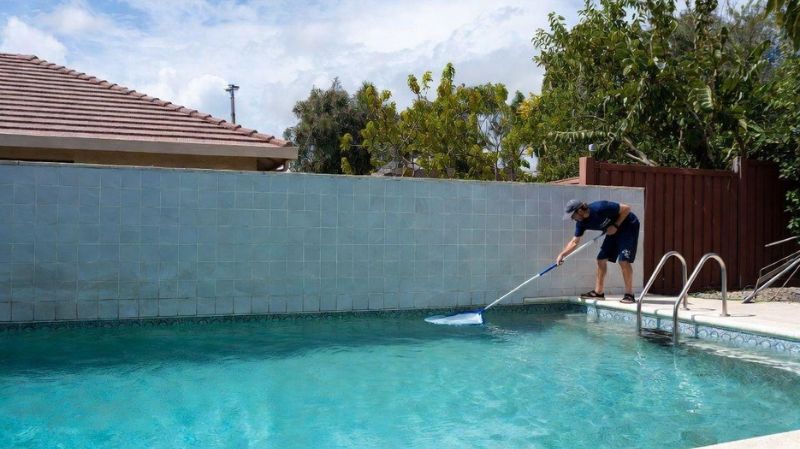
Owning a pool in Australia is almost a rite of passage. Whether it’s cooling off during a scorching summer or entertaining family and mates on the weekend, a well-maintained pool adds serious value to your lifestyle.
But Australia’s climate can be tough on pools. From intense UV rays to sudden storms and high evaporation rates, there’s a lot working against you. Knowing what to do—and just as importantly, what not to do—can make all the difference.
Here’s a practical guide to the dos and don’ts of pool maintenance, tailored to Australian conditions.
Why Pool Maintenance Matters More in Australia
Australia’s environment puts extra pressure on your pool:
- High UV exposure breaks down chlorine faster
- Hot temperatures accelerate algae growth
- Wind and storms introduce debris and contaminants
- Evaporation impacts water levels and chemical balance
Without the right approach, small issues can quickly turn into costly problems. That’s why a smart, consistent maintenance routine is essential.
The Dos of Pool Maintenance
Do Test Your Water Regularly
Keeping your water balanced is non-negotiable.
Aim to check:
- pH levels (7.2–7.6)
- Chlorine levels (1–3 ppm)
- Total alkalinity
In summer, testing 2–3 times per week is ideal. It helps you catch imbalances early before they lead to cloudy water or algae.
Do Keep Your Pool Clean
It sounds obvious, but regular cleaning goes a long way.
- Skim leaves and debris frequently
- Brush walls and steps weekly
- Vacuum the pool to remove settled dirt
A clean pool not only looks better but also reduces the strain on your filtration system.
Do Maintain Your Filtration System
Your filter is one of the most important parts of your pool setup.
Make sure you:
- Run your pump for adequate hours (especially in summer)
- Clean or backwash your filter regularly
- Replace worn-out components when needed
If you’re unsure about your setup, exploring quality pool filters can help you better understand what works best for your pool.
Do Monitor Water Levels
Australian summers can cause significant water loss through evaporation.
- Keep water levels midway up the skimmer
- Top up as needed
- After heavy rain, check for overflow and rebalance chemicals
Do Use the Right Equipment and Supplies
Using reliable products makes maintenance easier and more effective.
Stocking up on trusted Perth pool supplies ensures you always have what you need on hand—especially during peak swimming season.
Do Consider Professional Maintenance
Sometimes, it pays to bring in the experts.
Professional pool services can help with:
- Regular maintenance
- Equipment inspections
- Water balancing
This is particularly useful if you’re short on time or dealing with recurring issues.
Do Maintain Your Pool Heating System
If you use a heater, keeping it in good condition is key to consistent performance.
- Check for blockages or wear
- Ensure proper water flow
- Service annually
Well-maintained pool heaters can extend your swimming season and improve energy efficiency.
The Don’ts of Pool Maintenance
Don’t Ignore Small Problems
A minor issue today can become a major repair tomorrow.
- Strange noises from the pump
- Slight cloudiness in the water
- Small leaks or cracks
Addressing these early saves time, money, and stress.
Don’t Overuse Chemicals
It’s a common mistake—adding extra chemicals to “fix” a problem quickly.
But overdoing it can:
- Irritate skin and eyes
- Damage pool surfaces and equipment
- Throw off your water balance even further
Always follow recommended guidelines and test before adding anything.
Don’t Neglect the Filter
A dirty or clogged filter can undo all your hard work.
If your filter isn’t functioning properly:
- Water circulation suffers
- Debris builds up
- Chemical effectiveness drops
Regular cleaning is essential to keep everything running smoothly.
Don’t Let Debris Sit Too Long
Leaves and organic matter break down quickly in water.
This can lead to:
- Staining
- Increased chemical demand
- Algae growth
Removing debris promptly keeps your pool healthier and easier to manage.
Don’t Turn Off Your Pool Completely in Winter
Even if you’re not swimming, your pool still needs attention.
Switching everything off can lead to:
- Stagnant water
- Algae build-up
- Costly clean-ups in spring
Instead, reduce your maintenance routine but don’t abandon it entirely.
Don’t Skip Regular Maintenance
Inconsistent care is one of the biggest causes of pool problems.
Skipping weeks might seem harmless, but it often leads to:
- Cloudy or green water
- Equipment strain
- Increased costs to fix issues
A little effort each week is far easier than a full recovery later.
Practical Tips for Australian Pool Owners
To make life easier, here are a few extra tips tailored to local conditions:
Use a Pool Cover
Helps reduce evaporation, retain heat, and keep debris out
Stay Ahead of Storms
Clean your pool before and after bad weather
Adjust for Heatwaves
Increase pump time and monitor chemicals more frequently
Watch for Local Debris
Gum trees, dust, and pollen can all impact your pool quickly
Final Thoughts
Maintaining a pool in Australia doesn’t have to be complicated—but it does require consistency and a bit of know-how.
By following these dos and don’ts, you’ll:
- Keep your water clean and safe
- Protect your equipment
- Spend less time fixing problems and more time enjoying your pool
At the end of the day, a well-maintained pool isn’t just about appearance—it’s about creating a space you can rely on, no matter the season.