
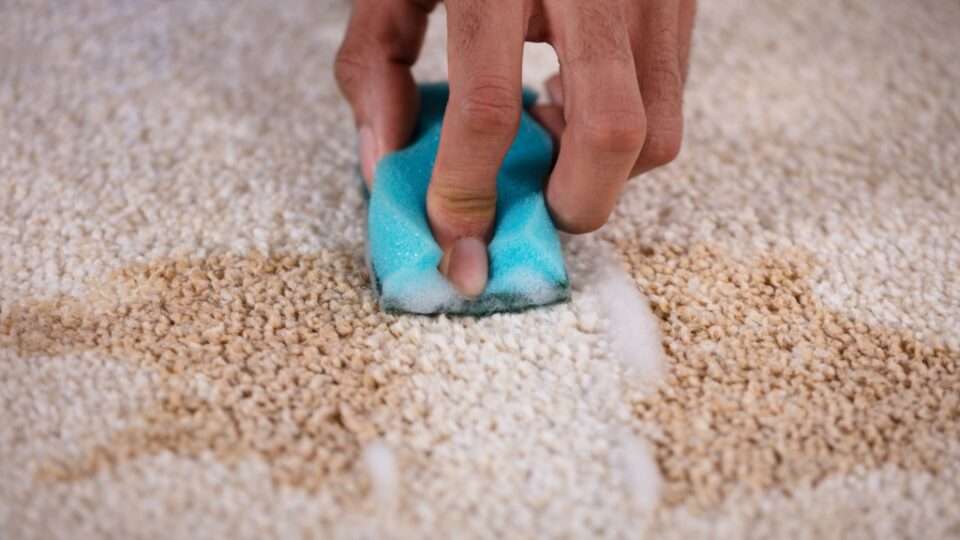
Why Fibre Selection Matters
When choosing a carpet, colour and style often take centre stage, but the fibre type plays an equally important part in how the carpet performs over time. Fibre choice affects how soft the carpet feels underfoot, how easily it cleans, and how well it resists everyday wear. Understanding these differences helps you make a more confident decision that suits both your lifestyle and your space.
Anyone researching options for carpets in Falkirk will notice a wide variety of fibres available, from natural wool to advanced synthetic blends. Each option behaves differently when exposed to foot traffic, spills, sunlight and routine cleaning, so it’s worth taking a closer look before committing.
Wool Fibres: Natural Comfort and Performance
Wool remains a popular choice for those who value softness and natural materials. It feels warm and luxurious underfoot, making it especially appealing in bedrooms and living spaces where comfort is a priority. Wool fibres naturally bounce back after being compressed, helping carpets retain their shape and appearance.
Another benefit of wool is its ability to regulate moisture and temperature. It absorbs humidity from the air and releases it gradually, which can contribute to a more comfortable indoor environment. Wool also has natural flame resistance and can trap dust particles, improving air quality when vacuumed regularly.
However, wool does require more careful maintenance. It can be more susceptible to staining and may need specialist cleaning products to avoid damage. It also tends to come at a higher price point than synthetic alternatives.
Synthetic Fibres: Practical and Budget Friendly
Synthetic fibres such as polypropylene, nylon and polyester dominate much of the modern carpet market. These materials are engineered for durability and ease of maintenance, making them ideal for busy households and high traffic areas.
Polypropylene is highly stain resistant and easy to clean, which makes it suitable for family homes or rental properties. Nylon offers excellent resilience and recovers well from heavy use, while polyester delivers softness and colour clarity at a more affordable price. Many modern synthetic carpets also include built-in stain protection treatments that further extend their lifespan.
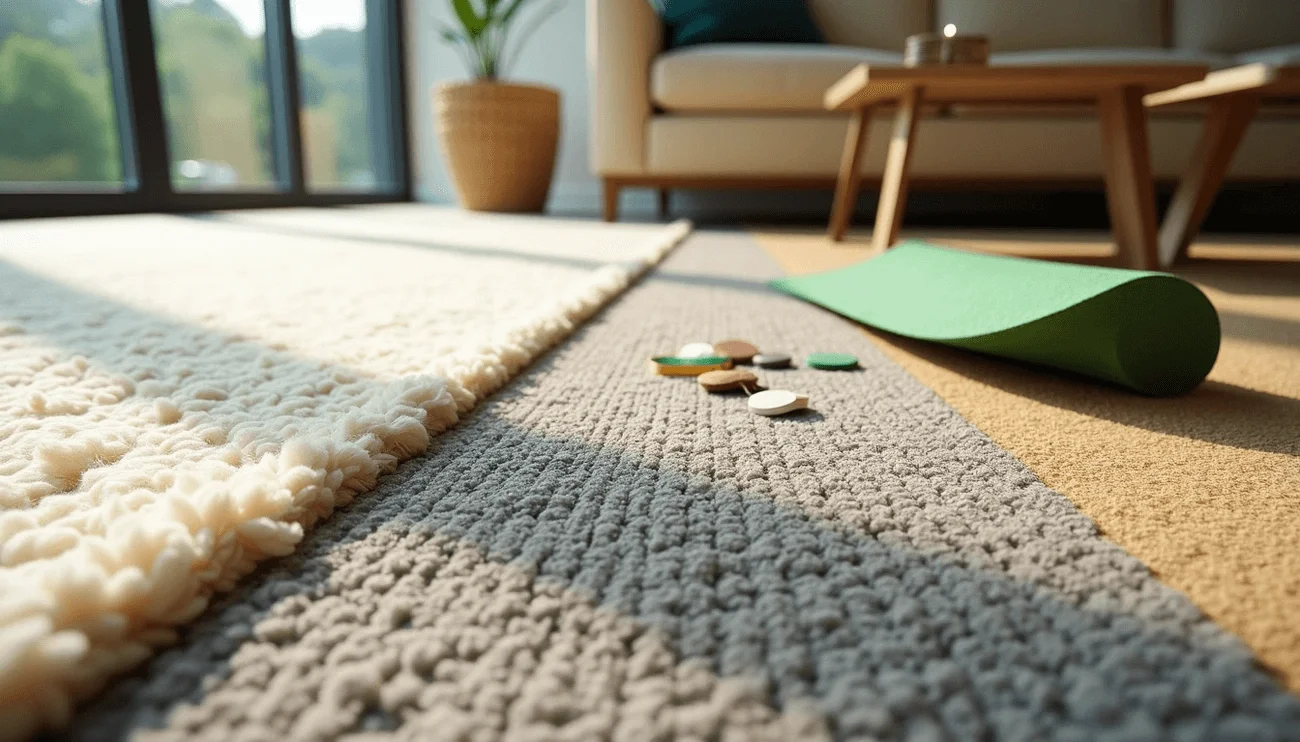
While synthetics may not always match the natural feel of wool, advancements in fibre technology have significantly improved their comfort and appearance.
Blended Fibres: Balancing Performance and Feel
Blended carpets combine natural and synthetic fibres to achieve a balance between comfort and practicality. A common blend mixes wool with nylon, offering the softness of wool alongside the added strength and stain resistance of synthetic fibres.
These blends are often chosen by homeowners who want a premium feel without the higher maintenance demands of pure wool. They also provide improved colour retention and durability compared to natural fibres alone.
Matching Fibre to Room Use
Selecting the right fibre depends heavily on where the carpet will be installed. Bedrooms and lounges benefit from softer fibres that prioritise comfort, while stairs, hallways and family rooms require more durable and stain resistant options.
It’s also worth considering pets, allergies and cleaning habits. Some fibres resist allergens better, while others cope more effectively with spills or frequent vacuuming. Matching fibre choice to lifestyle ensures the carpet continues to perform well long after installation.
Making an informed fibre choice ensures your carpet delivers the right balance of comfort, durability and ease of care for many years to come.