
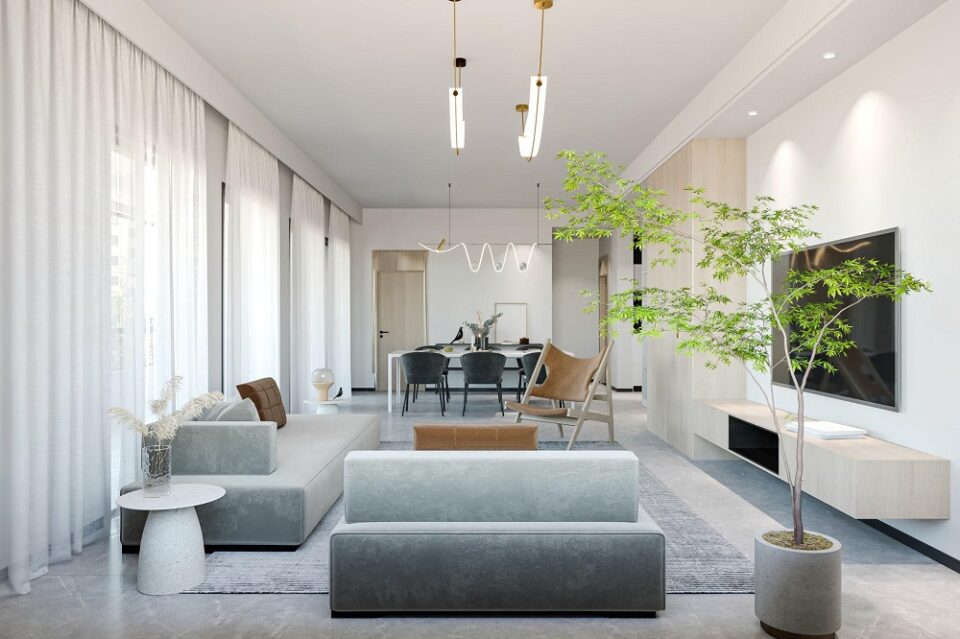
Home decor is more than arranging furniture or selecting attractive colors. It reflects personality, improves comfort, and enhances everyday living. A thoughtfully decorated home supports relaxation, productivity, and emotional well-being while making spaces functional and visually balanced.
This guide explores practical ideas, essential principles, and timeless strategies to help create a well-designed home without unnecessary complexity or expense.
Understanding the Purpose of Home Decor
Home decor is not limited to aesthetics. It combines comfort, organization, lighting, color harmony, and personal expression to create a welcoming environment.
A well-decorated home should:
- Support daily routines efficiently
- Reflect the lifestyle of residents
- Balance beauty with practicality
- Make spaces feel open and inviting
- Improve mood through thoughtful design choices
Successful decor focuses on usability first and appearance second.
Choosing the Right Color Palette
Color sets the emotional tone of a space. The right palette can make rooms appear larger, brighter, warmer, or calmer depending on the chosen shades.
Neutral tones remain popular because they provide flexibility and timeless appeal. These include beige, cream, white, soft grey, and muted earth shades.
Effective color strategies include:
- Using light tones to expand small spaces visually
- Adding accent colors through cushions, artwork, or rugs
- Limiting bold shades to focal areas
- Maintaining consistency between connected rooms
A balanced palette prevents visual clutter and supports long-term design flexibility.
Selecting Functional and Comfortable Furniture
Furniture forms the foundation of interior design. Pieces should match both the scale of the room and the needs of the household.
Important considerations include:
- Measuring available space before purchasing
- Choosing multi-purpose furniture for smaller homes
- Prioritizing durability over trend-based designs
- Maintaining walking space between furniture pieces
Comfort should always guide decisions more than appearance alone.
Enhancing Interiors with Lighting
Lighting influences how colors appear and how comfortable a space feels throughout the day.
Layered lighting works best because it combines multiple sources rather than relying on a single ceiling fixture.
Three essential lighting types include:
- Ambient lighting for overall illumination
- Task lighting for reading, cooking, or working
- Accent lighting to highlight artwork or architectural features
Warm lighting improves relaxation, while cooler lighting supports focus in work areas.
Using Textiles to Add Warmth and Texture
Soft furnishings instantly improve comfort without major investment.
Useful textile elements include:
- Rugs to define seating areas
- Curtains to control natural light
- Cushions for color variation
- Throws for layered texture
Mixing materials like cotton, linen, wool, and velvet creates visual interest without overwhelming the room.
Decorating Walls Thoughtfully
Wall decor shapes the personality of a room. Empty walls often make interiors feel unfinished, while overcrowded walls create distraction.
Balanced wall styling options include:
- Framed artwork
- Mirrors to increase brightness
- Floating shelves for display
- Minimal wall paneling for texture
Keeping alignment consistent improves visual harmony.
Adding Indoor Plants for Natural Balance
Indoor plants introduce freshness and improve air quality while softening hard surfaces.
Popular beginner-friendly plant choices include:
- Snake plant
- Pothos
- Areca palm
- Peace lily
Even a few small plants can transform the atmosphere of a room.
Creating Storage Without Compromising Style
Storage plays a critical role in maintaining an organized and attractive home environment.
Smart storage ideas include:
- Hidden storage benches
- Vertical shelving units
- Under-bed containers
- Wall-mounted organizers
Reducing visible clutter improves both aesthetics and functionality.
Personalizing Spaces with Meaningful Details
Personal touches make a home feel authentic rather than staged.
Examples include:
- Family photographs
- Travel souvenirs
- Handmade crafts
- Books and collectibles
These elements tell a story and create emotional connection within the space.
Maintaining Balance Between Trends and Timeless Design
Interior trends change frequently, but timeless design remains relevant for years.
A practical strategy is to:
- Choose neutral foundations
- Add trends through accessories
- Replace seasonal accents gradually
- Avoid overcommitting to short-term styles
This approach keeps interiors fresh without frequent redesign costs.
FAQ Section
What is the most important element of home decor to focus on first
Start with furniture layout and lighting because they influence both comfort and usability more than decorative accessories.
How can small rooms be decorated to appear larger
Use light wall colors, mirrors, vertical storage, and minimal furniture spacing to visually expand the room.
How often should home decor be updated
Minor updates such as textiles and accessories can be refreshed seasonally, while major furniture changes typically occur every few years.
Is it necessary to follow interior design trends
No. Trends can inspire ideas, but personal comfort and practicality should guide final decisions.
What colors make a home feel more relaxing
Soft neutrals, warm whites, muted greens, and light earth tones help create a calming environment.
How can lighting improve the appearance of a room
Layered lighting highlights textures, improves visibility, and creates mood variations throughout the day.
What are simple ways to decorate a home on a budget
Use cushions, plants, rearranged furniture layouts, wall art prints, and improved lighting to transform spaces without large expenses