
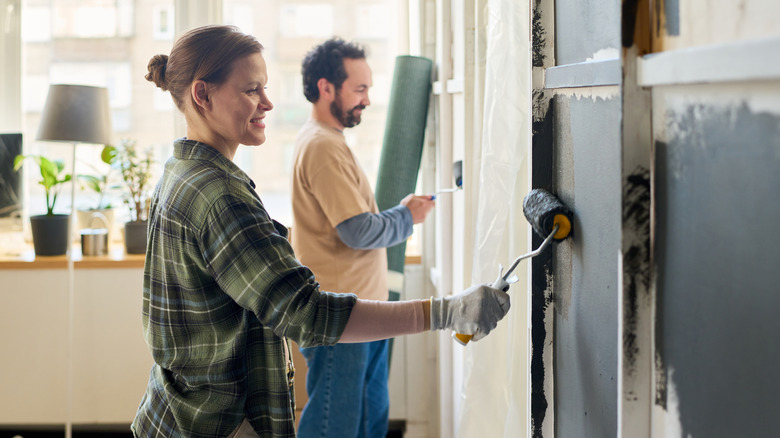
Home improvement is more than cosmetic change. It is a structured approach to making a house safer, more efficient, and better suited to everyday living. Whether the goal is increasing property value, improving energy performance, or creating a more comfortable environment, thoughtful upgrades can transform both appearance and usability.
This guide explains proven home improvement strategies that deliver measurable benefits without unnecessary expense or complexity.
Planning Before Starting Any Home Improvement Project
Successful projects begin with planning rather than purchasing materials. A structured preparation phase prevents overspending and reduces delays.
Important planning steps include:
- Setting a realistic budget that includes contingency funds
- Prioritizing structural repairs before decorative upgrades
- Identifying projects with the highest return on investment
- Checking local building regulations and permissions
- Scheduling work during suitable weather conditions
Homeowners who plan carefully typically complete projects faster and with fewer unexpected costs.
High Impact Improvements That Increase Property Value
Certain improvements consistently increase both usability and resale value. These upgrades are widely recognized by real estate professionals as practical investments.
Top value boosting improvements include:
Kitchen Upgrades
Even moderate kitchen improvements can significantly increase property appeal. Examples include:
- Replacing outdated cabinet handles
- Installing energy efficient lighting
- Updating countertops
- Adding modular storage solutions
Bathroom Improvements
Bathrooms influence buyer perception more than many other areas. Effective upgrades include:
- Replacing worn fixtures
- Installing modern mirrors and lighting
- Improving ventilation
- Updating tiles where necessary
Interior Painting
Fresh paint creates immediate visual improvement at relatively low cost. Neutral tones help spaces appear larger and brighter.
Entrance Enhancements
The main entrance shapes the first impression of a home. Improvements such as repainting the door or upgrading hardware can noticeably elevate curb appeal.
Improving Energy Efficiency at Home
Energy efficiency upgrades reduce monthly expenses while improving indoor comfort.
Practical energy saving improvements include:
- Installing LED lighting
- Sealing window and door gaps
- Adding attic insulation
- Using reflective roofing materials where appropriate
- Installing solar panels if feasible
These changes help regulate indoor temperature and lower electricity consumption over time.
Smart Storage Solutions for Better Space Management
Efficient storage improves both organization and visual appearance. Homes feel larger when clutter is reduced through smart design.
Effective storage solutions include:
- Under staircase cabinets
- Wall mounted shelving systems
- Built in wardrobes
- Multi functional furniture with hidden compartments
- Pull out kitchen pantry units
These upgrades are especially useful in compact homes or apartments.
Outdoor Improvements That Enhance Livability
Outdoor spaces contribute significantly to overall home experience. Even small exterior upgrades can create comfortable relaxation areas.
Recommended outdoor improvements include:
- Creating shaded seating areas
- Installing pathway lighting
- Adding container gardens or vertical plants
- Repairing boundary walls or fences
- Improving drainage systems around the property
Well maintained exterior areas also protect the structure from weather related damage.
Safety Focused Home Improvements Every Home Needs
Safety improvements are often overlooked but should always be prioritized.
Important safety upgrades include:
- Replacing damaged wiring
- Installing smoke detectors
- Adding anti slip flooring in wet areas
- Securing stair railings
- Improving exterior lighting around entry points
These changes reduce risk while improving long term reliability of the home.
Budget Friendly Improvements With Immediate Impact
Not all upgrades require major investment. Some simple improvements produce noticeable results quickly.
Examples include:
- Changing curtain styles
- Replacing outdated switch plates
- Installing modern cabinet handles
- Rearranging furniture layouts
- Adding indoor plants for visual freshness
Small adjustments can make living spaces feel renewed without large renovation costs.
Choosing the Right Materials for Long Term Durability
Material selection determines how long improvements remain effective.
When choosing materials consider:
- Resistance to moisture
- Ease of maintenance
- Climate compatibility
- Availability of replacement parts
- Warranty support from manufacturers
Durable materials reduce maintenance costs over time.
Maintaining Improvements After Completion
Maintenance ensures that improvements continue delivering value.
Recommended maintenance practices include:
- Regular inspection of plumbing fixtures
- Cleaning ventilation systems
- Checking paint condition annually
- Monitoring roof drainage performance
- Servicing electrical fittings periodically
Routine checks extend the lifespan of upgrades and prevent expensive repairs later.
Frequently Asked Questions
How often should homeowners plan major home improvements
Major improvements are typically planned every five to ten years depending on structural condition and lifestyle changes.
Which home improvement projects should be completed first
Structural repairs, electrical upgrades, plumbing fixes, and waterproofing should always be completed before decorative changes.
Can small improvements really increase property value
Yes. Improvements like fresh paint, lighting upgrades, and entrance enhancements create strong visual impact and improve buyer perception.
Is it necessary to hire professionals for all renovation projects
Not always. Simple improvements such as painting or installing shelves can often be completed independently, while electrical and structural work should involve qualified professionals.
What is the best season to start home improvement work
Dry weather seasons are generally ideal because they reduce delays and allow materials to perform better during installation.
How can homeowners control renovation costs effectively
Setting a clear budget, prioritizing essential upgrades, and comparing material options before purchasing help manage costs efficiently.
Do energy efficient upgrades really reduce electricity bills
Yes. Improvements such as LED lighting, insulation, and sealing air gaps significantly reduce long term energy consumption.