
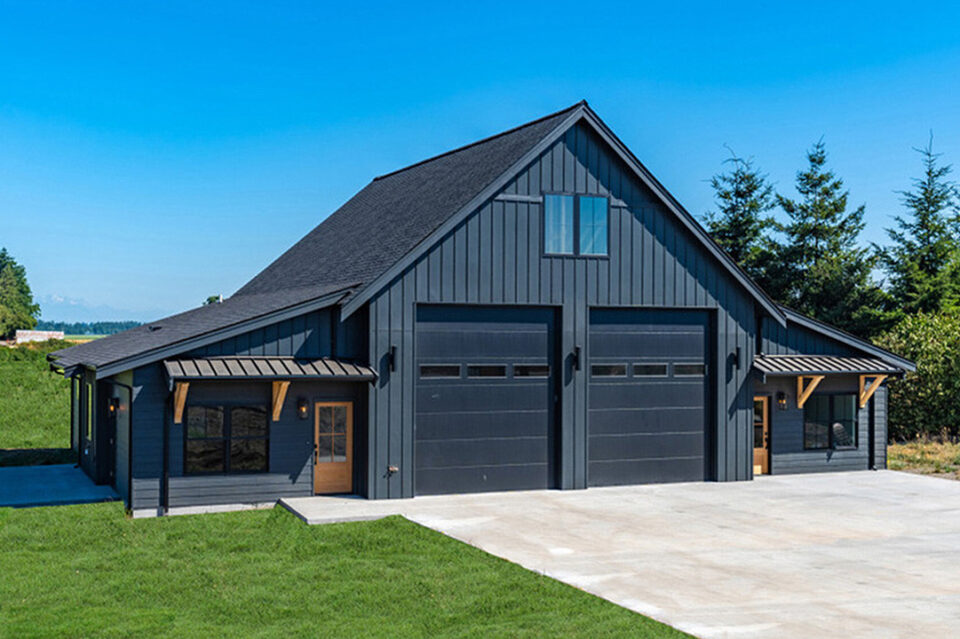
Barns have come a long way from their humble agricultural origins. What was once purely functional storage for livestock and grain has transformed into something far more versatile. Today, barn-style sheds serve as workshops, home offices, studios, guest quarters, and even primary residences for a growing number of property owners seeking character and practicality in one package.
The shift didn’t happen overnight. It took decades of changing attitudes toward rural living, advances in building materials, and a renewed appreciation for craftsmanship. Understanding this evolution helps explain why so many homeowners are now drawn to barn-inspired structures for properties that have nothing to do with farming.
The Original Purpose: Pure Utility
Early American barns were workhorses in every sense. Built primarily in the 18th and 19th centuries, they housed dairy cows, stored hay, protected equipment, and served as the central hub of farm operations. Farmers built them large because they needed the space. High ceilings accommodated haylofts. Wide doors allowed wagons and later tractors to pass through. The classic gambrel roof, the distinctive double-slope design most people associate with barns specifically, maximized storage capacity upstairs while shedding rain and snow efficiently.
Materials were whatever was available locally. Timber framing dominated in regions with abundant forests. Stone foundations supported structures meant to last generations. Farmers often raised barns together, relying on community labor and shared expertise. Nothing about the design was ornamental. Every board, every joint, every window placement served a practical purpose.
Durability was essential. A barn needed to withstand harsh winters, summer storms, and the daily wear of animals and equipment. Builders developed joinery techniques that held up under stress. Mortise and tenon connections, secured with wooden pegs, created frames that could flex slightly without failing. This attention to structural integrity remains relevant today, even as the purposes behind these buildings have changed.
The Turning Point: Rural Life Meets Modern Desires
The mid-20th century brought shifts that redefined how people thought about barns. Small farms declined as industrial agriculture consolidated production. Many family operations closed or scaled back, leaving underutilized structures scattered across the countryside. At the same time, urban and suburban residents began looking outward. Country living held an appeal that had been missing during the push toward cities in earlier decades.
People started noticing barns differently. What had faded paint and sagging roofs suddenly represented charm, history, and a connection to simpler times. Architects and designers began incorporating barn elements into residential projects. High ceilings, open floor plans, and exposed beams offered something conventional housing often lacked. The aesthetic was rustic but the potential was modern.
Homeowners with acreage saw opportunity. An old barn could become a party space, a workshop, or rental income. Those without existing structures started asking builders for something similar. The demand sparked a new category of construction that blended traditional barn appearance with contemporary functionality.
Key Design Elements That Made The Transition
Several features define barn-inspired design. The gambrel roof remains popular because it creates usable upper space without the expense of a full second story. Vaulted interiors feel larger than their footprint suggests. Large doors, whether sliding barn style or roll up, allow easy access for vehicles, equipment, or simply moving large items in and out.
Roof And Framing
The classic roof profile continues to attract attention. Beyond aesthetics, gambrel designs provide practical benefits. Snow slides off more easily than on flatter surfaces. The interior volume feels generous without requiring the height that would make a structure seem out of proportion on a residential lot. Engineers now offer pre-engineered roof systems that maintain traditional appearance while meeting modern building codes.
Exposed timber framing has become almost synonymous with barn style. Whether using real hand-hewn beams or engineered alternatives that mimic the look, this element creates immediate visual association with agricultural heritage. The beauty lies in the joinery and the natural variation in wood grain that factory-produced materials cannot replicate.
Exterior Finishes And Colors
Exterior finishes have evolved significantly. Traditional wood siding, left unpainted or whitewashed, requires regular maintenance. Modern alternatives include metal panels, fiber cement boards, and composite materials that mimic wood grain while resisting weather damage. Paint colors have expanded beyond classic red and white. Homeowners now choose earth tones, grays, blacks, and even bold accent colors that complement main residences.
Siding profiles matter too. Clapboard, board and batten, and shingle patterns each create distinct looks. Horizontal clapboard feels traditional and refined. Vertical board and batten aligns with classic barn aesthetics more closely. Shingles offer texture and visual interest that works well in cottage or farmhouse settings.
Windows And Daylighting
Windows present another significant shift. Historic barns had few because glass was expensive and unnecessary for animal housing. Today’s versions often feature generous glazing. Natural light makes interior spaces pleasant for human use. Skylights, transom windows, and strategically placed fixed glass balance the traditional exterior with contemporary comfort.
Energy efficiency matters as much as appearance. Double or triple glazing, low-E coatings, and proper installation reduce heat transfer dramatically compared to older windows. Thermal breaks in frames prevent condensation problems. The result satisfies both aesthetics and performance requirements.
Materials And Technology: What Has Changed Under The Surface
The most significant evolution might be invisible from the street. Traditional barns relied on timber frames, hand-hewn beams, and basic joinery. Modern barn-inspired structures benefit from engineered lumber, metal connectors, and computer-aided fabrication. Prefabricated kits allow faster assembly with consistent quality. Truss systems provide clear spans without interior posts.
Structural Systems
Insulation transforms functionality. Old barns were drafty by design, which kept animals healthy but made them unusable for most purposes in extreme weather. Today’s builds incorporate spray foam, rigid board, or fiberglass insulation that creates comfortable year-round environments. Vapor barriers prevent moisture problems. Climate control systems, from simple fans to full HVAC, regulate temperature and humidity.
Foundation work has also improved significantly. Fieldstone foundations worked for structures that tolerated movement and moisture. Modern builds use reinforced concrete slabs, pier systems, or full basements depending on soil conditions and intended use. Proper drainage, damp-proofing, and anchoring ensure longevity without constant attention.
Mechanical Systems
Electrical planning now happens before construction begins. Traditional barns might have had one bulb hanging from a wire. Modern versions include dedicated circuits for tools, lighting zones, data connections, and electric vehicle chargers. Audio systems, security cameras, and smart home integration are common requests.
Plumbing deserves consideration even in buildings not initially intended as living space. Running water to a barn significantly expands potential uses. A future conversion to guest quarters or rental unit becomes much more feasible with existing rough-ins. Drain lines for future bathrooms add minimal cost during initial construction but would cost much more to add later.
Functional Diversity: From Storage To Living
The range of applications defines current barn design more than anything else. What works for an equipment shed differs from what serves as a backyard office or guest suite. Builders and homeowners collaborate on layouts that serve specific needs.
Workshops And Studios
Workshops remain common. Woodworkers, mechanics, and craftspeople appreciate high ceilings, sturdy floors, and wide doors. Dedicated electrical circuits power heavy equipment. Dust collection systems, compressed air lines, and specialty lighting make the space genuinely functional. Insulation and heating extend usable seasons considerably.
Studio spaces serve artists, musicians, and makers. High ceilings accommodate easels, looms, or equipment. North-facing windows provide consistent light for painters. Acoustic insulation keeps sound contained. Some homeowners combine multiple functions within one structure, using interior divisions or flexible furniture arrangements.
Home Offices
Home offices have surged in popularity, especially since remote work became mainstream for many industries. Barn-style outbuildings offer separation from household distractions without a long commute. Natural light, hardwired internet, and comfortable temperatures matter more than raw square footage for this use.
Sound separation proves valuable in office applications. Working from home often means balancing calls, meetings, and concentration. A dedicated building removes the challenge of household noise intruding on professional conversations. Isolation from the main house also creates psychological separation that helps maintain work-life boundaries.
Guest Quarters And Accessory Dwellings
Guest quarters and accessory dwelling units represent the most ambitious use. Building codes in many areas now allow secondary housing on single-family lots. Barn-style ADUs provide rental income, housing for family members, or eventual downsizing options. Full kitchens, bathrooms, and sleeping lofts require significant investment but add proportional property value.
The tiny house movement has influenced this category considerably. Many property owners embrace smaller footprints that still function completely. Lofts over living areas maximize usable space within modest dimensions. Multipurpose furniture and efficient storage solutions make modest square footage surprisingly comfortable.
Design Principles For Modern Property Owners
Successful barn-inspired projects balance aesthetics with practicality. Proportion matters greatly. A building that looms too large overwhelms a residential lot. One that’s too small looks like a shed rather than a barn. Roof pitch, door placement, and window sizing all affect visual harmony with existing structures and landscape.
Site Considerations
Orientation influences comfort significantly. Western exposure increases summer cooling loads. Northern light works well for studios but may feel cold for living space. Prevailing winds affect ventilation and door operation during storms. Thoughtful site planning prevents problems that would otherwise require expensive retrofits.
Setback requirements and property lines constrain options. Rural properties generally offer more flexibility than suburban lots where neighbors and HOAs may have opinions. Underground utilities, easements, and wetland boundaries affect building placement. A professional survey prevents costly mistakes.
Interior Layout Strategies
Interior layout should anticipate future needs whenever possible. Open plans offer flexibility but may require modification when functions change. Including rough-ins for future plumbing or electrical during initial construction costs little compared to retrofitting. Ceiling height planning accommodates potential lofts or mezzanines.
Storage deserves consideration in any barn design. While not as minimal as historic barns that stored only bulk items and equipment, modern needs include seasonal decorations, sporting goods, tools, and business inventory. Built-in solutions maximize floor space while keeping items accessible.
Material Selection Tradeoffs
Material choices affect maintenance requirements substantially. Real wood siding appeals to purists but demands painting, staining, or replacement within decades. Engineered alternatives cost more initially but reduce ongoing attention considerably. Metal roofing outlasts shingles and handles snow loads better. Budget should account for total cost of ownership, not just construction expense.
Sustainable options increasingly influence decisions. Reclaimed wood carries history and reduces demand for new lumber. Recycled steel framing provides strength without harvesting trees. Insulation made from recycled denim or cellulose reduces environmental footprint. Many of these choices serve aesthetic goals as well.
Permitting And Code Considerations
Regulatory requirements vary dramatically by location. Rural counties may have minimal oversight for agricultural structures. Suburban municipalities often impose strict limits on size, height, setback, and use. What qualifies as an accessory building might become a dwelling only with connection to sewer or septic approval.
Zoning Requirements
Height limits frequently constrain design significantly. Two-story barns may exceed zoning while single-story versions fit within parameters. Variances are possible but add time and uncertainty. Working with professionals familiar with local codes prevents surprises during plan review.
Use classification affects requirements dramatically. Storage buildings face fewer restrictions than habitable space. Insulation standards, fire safety provisions, and accessibility requirements apply differently depending on intended occupancy. Some jurisdictions allow flexible use that can change over time with proper permits.
Historic Considerations
Historic districts and design review boards may have specific opinions about exterior appearance. What seems appropriately rustic in one context might raise objections where uniformity matters. Early conversations with zoning officials often reveal possibilities not obvious from published rules alone.
Building codes regarding historic preservation can work for or against property owners. Some areas offer expedited permits for contributing properties in historic districts. Others impose strict review processes that slow projects considerably. Understanding local priorities before purchasing helps set realistic expectations.
Common Mistakes To Avoid
Poor site preparation creates ongoing problems. Inadequate grading leads to water infiltration. Ignoring soil conditions risks settlement or frost heave. Rushing foundation work to save time costs far more in repairs later.
Underestimating utility requirements limits future flexibility severely. Running conduit for additional circuits, installing conduit for future data, or prepping for eventual plumbing saves immense effort if needs evolve. Construction access is easier than retrofitting a finished building.
Choosing character over function rarely satisfies for long. A building that looks perfect but lacks adequate lighting, climate control, or electrical capacity becomes frustrating quickly. Prioritizing both design quality and practical performance leads to spaces that remain satisfying for years to come.
The Future Of Barn-Inspired Design
Current trends suggest continued interest in this building type. Remote work seems likely to remain common for many industries, sustaining demand for backyard office space. Housing shortages in many markets encourage accessory dwelling construction. Aging populations may seek multigenerational property arrangements that separate structures facilitate.
Sustainability Trends
Sustainability concerns influence design increasingly. Solar panels integrate well with barn roofs, especially south-facing orientations. Rainwater collection, passive cooling strategies, and locally sourced materials align with both traditional aesthetics and contemporary values. Net-zero designs become more feasible as technology improves and costs decline.
Off-Site Construction
Modular construction offers another evolution path. Factory-built components assembled on site reduce construction time and waste considerably. Quality control improves when key elements are built in controlled conditions. Customization remains possible through flexible floor plans and finish options.
Prefabricated wall panels, floor systems, and roof trusses arrive ready for assembly. This approach suits remote properties where skilled labor might be scarce. It also reduces site disruption and neighborhood impact during construction.
Making The Right Choice For Your Property
Barn design has evolved from purely agricultural necessity to versatile, attractive option for property owners with diverse needs. Understanding this progression helps homeowners make informed decisions about whether this approach suits their land, budget, and vision. The result can be a structure that honors tradition while serving thoroughly modern purposes.
Whether you need a simple workshop, a productive home office, or a full guest residence, barn-inspired design offers a tested approach that balances practical requirements with unmistakable character. The options available today would surprise the farmers who first built these structures generations ago.