
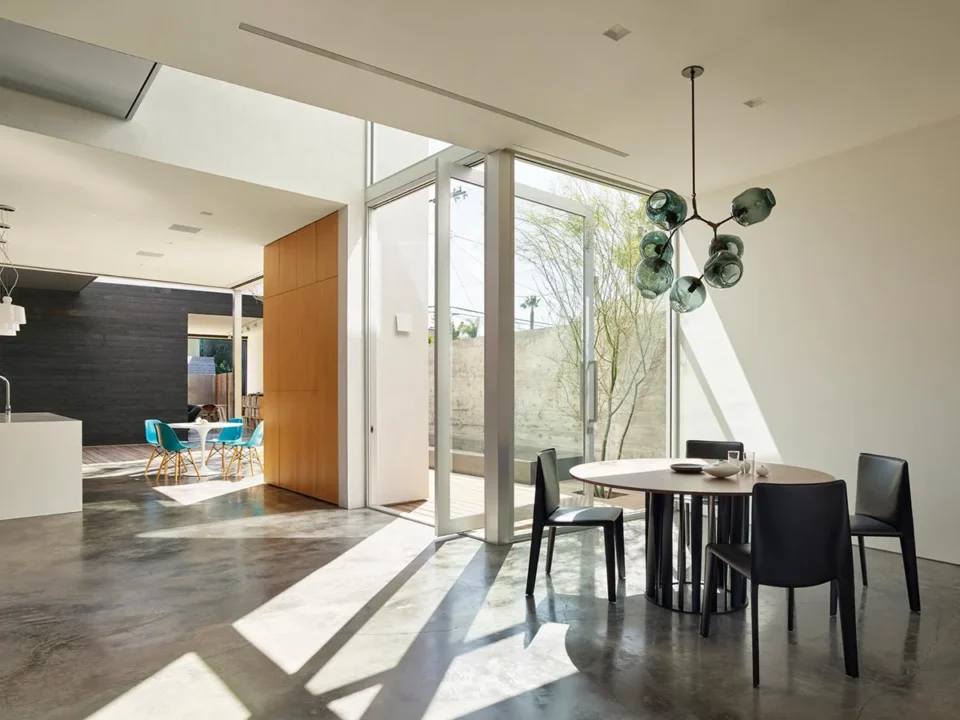
Biophilic design is more than a visual trend—it is a thoughtful approach to shaping spaces that reconnect people with nature. By integrating natural elements into interior environments, this design philosophy enhances well-being, productivity, and emotional balance in homes, offices, and public spaces alike.
What Is Biophilic Design?
Biophilic design is rooted in the idea that humans have an innate connection to nature. Modern lifestyles often limit access to natural environments, and biophilic interiors aim to restore that connection indoors through intentional design choices.
Rather than simply adding a few plants, biophilic design focuses on creating multi-sensory experiences that mimic natural settings—visually, physically, and psychologically.
Why Biophilic Design Matters
The impact of nature-inspired spaces goes far beyond aesthetics. Research consistently links natural elements with improved mental and physical health.
Key benefits include:
-
Reduced stress and anxiety through calming natural cues
-
Improved focus and productivity, especially in workplaces
-
Better air quality when living plants are incorporated
-
Enhanced mood and creativity from organic forms and textures
In urban environments where nature is scarce, these benefits become even more significant.
Core Principles of Biophilic Design
1. Direct Connection to Nature
This involves the physical presence of natural elements within a space, such as:
-
Indoor plants and trees
-
Natural daylight and fresh air
-
Water features like fountains or aquariums
These elements create an immediate and tangible bond with nature.
2. Indirect Connection to Nature
Indirect connections reference nature without physically including it. Common strategies include:
-
Natural materials like wood, stone, cork, or clay
-
Earth-toned color palettes inspired by forests, soil, and sky
-
Organic patterns and textures that echo natural forms
These subtle cues still trigger positive emotional responses.
3. Spatial and Sensory Experience
Biophilic spaces often reflect how people experience nature outdoors:
-
Open layouts that feel expansive
-
Quiet corners that promote refuge and comfort
-
Variation in light, shade, and texture to avoid monotony
The goal is to create environments that feel instinctively comfortable.
Biophilic Design in Different Spaces
Homes
In residential settings, biophilic design fosters relaxation and emotional well-being.
Effective approaches include:
-
Large windows to maximize daylight
-
Houseplants in living areas and bedrooms
-
Natural fabrics such as linen, cotton, and wool
Even small apartments can benefit from these elements.
Workplaces
Offices that embrace biophilic design often report higher employee satisfaction and performance.
Common applications:
-
Green walls or plant clusters
-
Workstations near windows
-
Use of wood finishes and natural textures
These features help counteract the stress of long indoor work hours.
Healthcare and Public Spaces
Hospitals, schools, and libraries increasingly adopt biophilic principles to promote calm and recovery.
Examples include:
-
Views of gardens or landscaped courtyards
-
Soft, natural lighting
-
Nature-inspired artwork and materials
Such environments feel more humane and less institutional.
How to Incorporate Biophilic Design on Any Budget
Biophilic design does not require a complete renovation. Small, thoughtful changes can make a noticeable difference.
Simple ideas to start with:
-
Add a few low-maintenance indoor plants
-
Rearrange furniture to access natural light
-
Introduce wooden décor or stone accessories
-
Use nature-inspired colors and patterns
Consistency matters more than scale.
The Future of Biophilic Design
As sustainability and wellness become priorities in architecture and interior design, biophilic principles are expected to play an even larger role. Future spaces will likely blend technology with nature, creating environments that are not only efficient but deeply human-centered.
Biophilic design represents a shift toward living spaces that support both people and the planet.
Frequently Asked Questions
1. Is biophilic design the same as sustainable design?
No. While they often overlap, biophilic design focuses on human connection to nature, whereas sustainable design prioritizes environmental impact and resource efficiency.
2. Can biophilic design work in small apartments?
Yes. Even small spaces can benefit from natural light, compact plants, and natural materials.
3. What types of plants are best for biophilic interiors?
Low-maintenance options such as snake plants, pothos, and peace lilies are popular choices for indoor environments.
4. Does biophilic design improve mental health?
Studies suggest that exposure to natural elements indoors can reduce stress, improve mood, and enhance cognitive function.
5. Can biophilic design be applied without live plants?
Absolutely. Natural textures, colors, patterns, and daylight are effective even without living greenery.
6. Is biophilic design suitable for commercial spaces?
Yes. Offices, retail stores, hotels, and healthcare facilities all benefit from biophilic design principles.
7. How is biophilic design different from interior landscaping?
Interior landscaping focuses mainly on plants, while biophilic design is a broader approach that includes light, materials, spatial planning, and sensory experiences.