
A strong fitness routine is not built only during workouts. What happens between sessions matters just as much. Recovery affects soreness, energy, flexibility, sleep, motivation, and the ability to train again. Many people focus on gym effort but ignore the small habits at home that help the body feel ready for the next session.
For someone working with a personal gym trainer singapore service, a simple home recovery corner can make training more sustainable. It does not need expensive equipment or a large room. It needs a few useful tools, a quiet space, and a routine that encourages stretching, breathing, hydration, and relaxation between workouts.
Recovery Should Be Easy to Start
The biggest mistake people make with recovery is making it too complicated. If recovery requires 12 tools, an hour of free time, and perfect silence, it will rarely happen. A good recovery corner should be simple enough to use after work, before bed, or on rest days.
The space can be as small as one mat beside a wall. The goal is to remove friction. When the tools are visible and easy to reach, the habit becomes easier.
What a Home Recovery Corner Needs
A practical recovery space may include:
- Exercise mat
- Foam roller
- Massage ball
- Resistance band
- Small towel
- Water bottle
- Yoga block or cushion
- Notebook or tracker
- Calm lighting
- Timer or phone stand
This is enough for most people. The space does not need to look like a studio. It needs to be usable.
The Mat Creates the Habit Zone
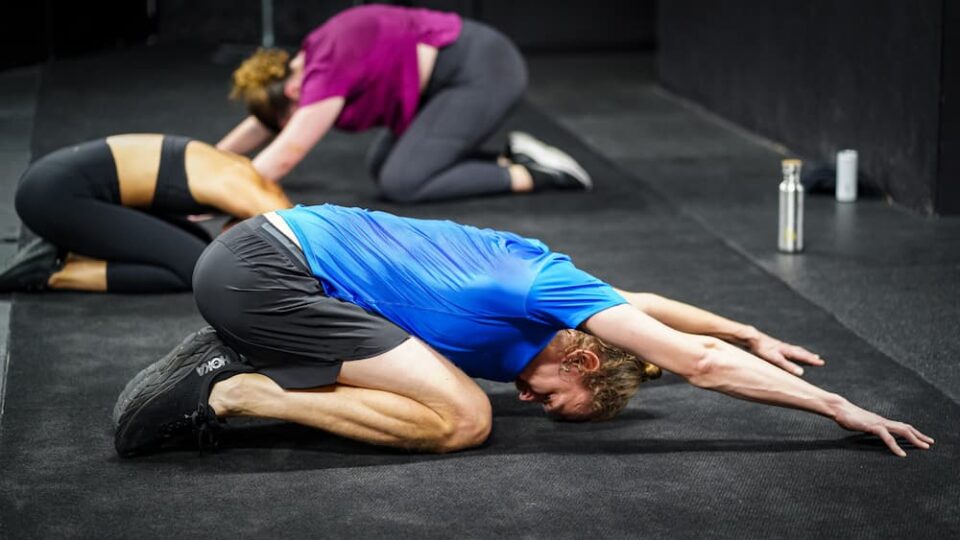
A mat gives the body a place to land. It marks the space as a recovery zone. Once the mat is down, it becomes easier to stretch, breathe, or do mobility work.
The mat can be used for:
- Hip stretches
- Back mobility
- Hamstring stretches
- Core breathing
- Gentle yoga poses
- Glute stretches
- Shoulder mobility
- Cooldown routines
Keeping the mat visible can remind people to use it.
Foam Rolling Can Help With Awareness
Foam rolling is often oversold as a miracle tool. It is not magic. But it can help people become more aware of tight areas and prepare the body for movement. It may also feel relaxing after training.
Common areas people roll include:
- Calves
- Quads
- Glutes
- Upper back
- Lats
- Hamstrings
Foam rolling should not be painfully aggressive. The goal is controlled pressure, not punishment.
A Massage Ball Is Useful for Small Areas
A massage ball can reach areas a foam roller cannot. It can be useful for feet, glutes, upper back, and shoulders. Desk workers may especially like using a ball around the upper back or feet after long days.
As with foam rolling, pressure should be reasonable. Sharp pain or numbness is not the goal.
Resistance Bands Support Mobility
Resistance bands are affordable and useful. They can help with shoulder activation, hip mobility, and light strengthening between gym sessions.
Simple band exercises include:
- Band pull-aparts
- External rotations
- Glute bridges with band
- Lateral walks
- Shoulder mobility drills
- Light rows
- Hip activation work
These movements can help keep the body engaged without creating heavy fatigue.
Recovery Is Not Only Stretching
Stretching is useful, but recovery is broader. It includes sleep, hydration, nutrition, stress management, and light movement. A recovery corner should support the physical side, but the rest of the lifestyle still matters.
A person who stretches every night but sleeps poorly and eats inconsistently may still struggle to recover.
Good recovery habits include:
- Drinking enough water
- Eating protein-rich meals
- Sleeping consistently
- Walking on rest days
- Managing stress
- Taking rest days seriously
- Avoiding constant high-intensity training
The recovery corner is one piece of the system.
A Ten-Minute Routine Is Enough to Start
People often skip recovery because they think it must take a long time. Ten minutes can be enough to build the habit.
A simple routine:
- 2 minutes breathing
- 2 minutes hip mobility
- 2 minutes upper-back mobility
- 2 minutes hamstring or glute stretch
- 2 minutes foam rolling
This routine is not perfect, but it is repeatable. Repeatable habits create value.
Recovery After Strength Training
After strength sessions, the body may benefit from gentle mobility and hydration. Heavy stretching immediately after intense lifting is not always necessary, but light cooldown work can help the nervous system settle.
Useful post-strength recovery may include:
- Easy walking
- Gentle hip stretches
- Upper-back mobility
- Breathing drills
- Protein-rich meal
- Water
- Sleep focus
The goal is to help the body transition out of training mode.
Recovery After Cardio or Classes
After cardio, cycling, or HIIT, the body may feel hot and tired. Cooldown is important. A recovery corner can help later in the day with calves, hips, back, and breathing.
People who attend high-energy classes should pay attention to hydration and leg recovery.
Light stretching before bed may help the body feel calmer.
Home Recovery Helps Busy People Stay Consistent
Busy professionals may not have time for long recovery sessions. A home corner gives them a quick option. They can do five minutes before a shower, ten minutes before bed, or a short routine on rest days.
This matters because recovery habits are often skipped when life gets busy. Making the space convenient protects the habit.
Do Not Turn Recovery Into Another Stressful Task
Recovery should feel supportive. If it becomes another item on a stressful checklist, the purpose is lost. The routine should be simple, calming, and flexible.
Some days may include a full 20-minute mobility session. Other days may include only breathing and light stretching. Both can be useful.
Consistency matters more than perfection.
Using a Notebook or Tracker
A small notebook can help people track what feels tight, what improves, and how the body responds to workouts. This information can also help during personal training sessions.
Useful notes include:
- Sleep quality
- Soreness
- Tight areas
- Energy levels
- Workout difficulty
- Recovery habits completed
- Any discomfort
This helps connect training and recovery.
When Recovery Needs Professional Attention
A recovery corner is useful for normal soreness and mobility habits, but it is not a replacement for medical care. Persistent pain, swelling, numbness, sharp discomfort, or recurring injury symptoms should be checked by a qualified healthcare professional.
Smart fitness includes knowing when to seek help.
Connecting Home Recovery With Gym Progress
Home recovery works best when it supports the gym program. A trainer can suggest mobility drills, stretches, or activation exercises based on the person’s workouts and movement needs.
This creates a bridge between sessions. The gym builds strength, and the home routine helps the body stay ready.
For people looking to combine structured training with practical recovery habits, True Fitness Singapore may be relevant when considering a fitness environment that supports long-term consistency inside and outside the gym.
FAQ
Does everyone need a home recovery corner?
No, but it can help people build better recovery habits, especially if they train regularly or feel stiff between sessions.
What is the most useful recovery tool for home?
A mat is the simplest starting point. Foam rollers, massage balls, and resistance bands can be added later.
How long should recovery work take?
Even 10 minutes can help build consistency. Longer sessions can be useful, but they are not required every day.
Can stretching replace rest days?
No. Stretching can support recovery, but rest days, sleep, hydration, and nutrition are also important.