
Modern plumbing systems are an essential yet often overlooked part of everyday life. From delivering clean drinking water to safely removing waste, plumbing plays a critical role in public health, comfort, and sustainability. Understanding how these systems work helps homeowners make informed decisions, identify issues early, and appreciate the engineering behind their walls and floors.
What Is a Modern Plumbing System?
A modern plumbing system is a coordinated network of pipes, fixtures, valves, and appliances designed to manage water supply and wastewater removal efficiently. Unlike older systems that relied on basic materials and gravity alone, today’s plumbing incorporates advanced materials, pressure regulation, and safety controls.
At its core, plumbing serves two main purposes:
-
Supplying clean, potable water
-
Removing wastewater and sewage safely
Core Components of Plumbing Systems
Water Supply System
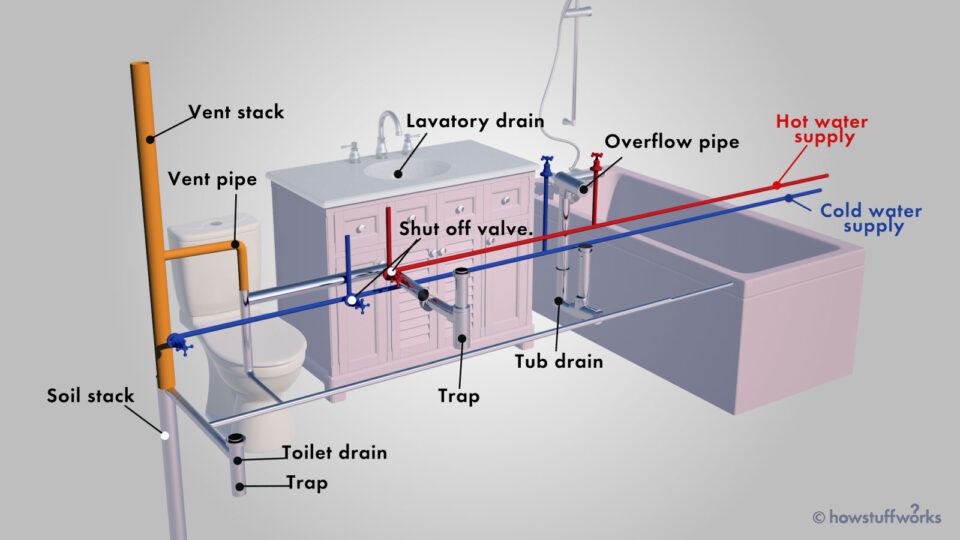
The water supply system delivers fresh water to faucets, showers, toilets, and appliances. It operates under pressure to ensure consistent flow throughout the building.
Key elements include:
-
Main water line connecting the property to a municipal supply or well
-
Shut-off valves for controlling water flow during repairs or emergencies
-
Cold and hot water lines, with hot water routed through a heater
-
Pressure regulators to prevent pipe damage
Drainage and Waste Removal
Unlike supply lines, drainage systems rely on gravity rather than pressure. Their purpose is to carry used water away quickly and hygienically.
Important components are:
-
Drain pipes connected to sinks, tubs, and appliances
-
Traps (U-shaped bends) that prevent sewer gases from entering living spaces
-
Vent pipes that balance air pressure and promote smooth drainage
-
Sewer or septic connections for waste disposal
Common Plumbing Materials Used Today
Modern plumbing systems benefit from durable, efficient materials designed for longevity and safety.
Widely used materials include:
-
PVC (Polyvinyl Chloride) for drain and vent lines
-
PEX tubing for flexible, corrosion-resistant water supply
-
Copper pipes valued for durability and heat resistance
-
ABS plastic commonly used in drainage systems
Each material is selected based on factors such as water pressure, temperature, cost, and local building codes.
Plumbing Fixtures and Appliances
Fixtures are the visible parts of the plumbing system that users interact with daily.
Common examples include:
-
Sinks and faucets
-
Toilets and bidets
-
Showers and bathtubs
-
Dishwashers and washing machines
-
Water heaters
Modern fixtures are designed with water efficiency in mind, often using significantly less water than older models without sacrificing performance.
Water Efficiency and Sustainability
One of the biggest advancements in modern plumbing is its focus on conservation. With growing environmental concerns, plumbing systems now aim to reduce water waste and energy use.
Sustainable plumbing features include:
-
Low-flow toilets and faucets
-
Tankless water heaters for on-demand heating
-
Greywater recycling systems
-
Leak-detection and smart shut-off devices
These innovations not only protect the environment but also lower utility bills over time.
Plumbing Codes and Safety Standards
Modern plumbing systems must comply with strict building codes and safety regulations. These standards ensure clean water delivery, prevent contamination, and reduce the risk of leaks or system failure.
Professional installation and regular inspections are critical to maintaining compliance and protecting both occupants and property.
Importance of Regular Maintenance
Even the best-designed plumbing system requires upkeep. Routine maintenance can extend system lifespan and prevent costly repairs.
Recommended practices include:
-
Checking for leaks and corrosion
-
Flushing water heaters periodically
-
Cleaning drains to prevent clogs
-
Inspecting exposed pipes and valves
Addressing minor issues early often prevents major plumbing emergencies.
Frequently Asked Questions (FAQ)
1. How long does a modern plumbing system typically last?
With proper installation and maintenance, most modern plumbing systems can last 40 to 70 years, depending on materials used and water quality.
2. What are signs of hidden plumbing problems?
Common indicators include unexplained water bills, damp walls, low water pressure, slow drains, and unusual odors.
3. Is PEX piping safe for drinking water?
Yes, PEX is widely approved for potable water and is valued for its flexibility, resistance to corrosion, and ease of installation.
4. Why are plumbing vents necessary?
Vent pipes regulate air pressure in the drainage system, allowing wastewater to flow smoothly and preventing sewer gases from entering living spaces.
5. Can modern plumbing systems help reduce water bills?
Absolutely. Water-efficient fixtures and appliances can significantly reduce consumption without affecting daily comfort.
6. How often should plumbing systems be inspected?
A general inspection every 1–2 years is recommended, with additional checks for older homes or properties with frequent plumbing issues.
7. Are smart plumbing systems worth the investment?
Smart systems can detect leaks early, prevent water damage, and offer long-term savings, making them a valuable upgrade for many households.
Understanding the fundamentals of modern plumbing s