
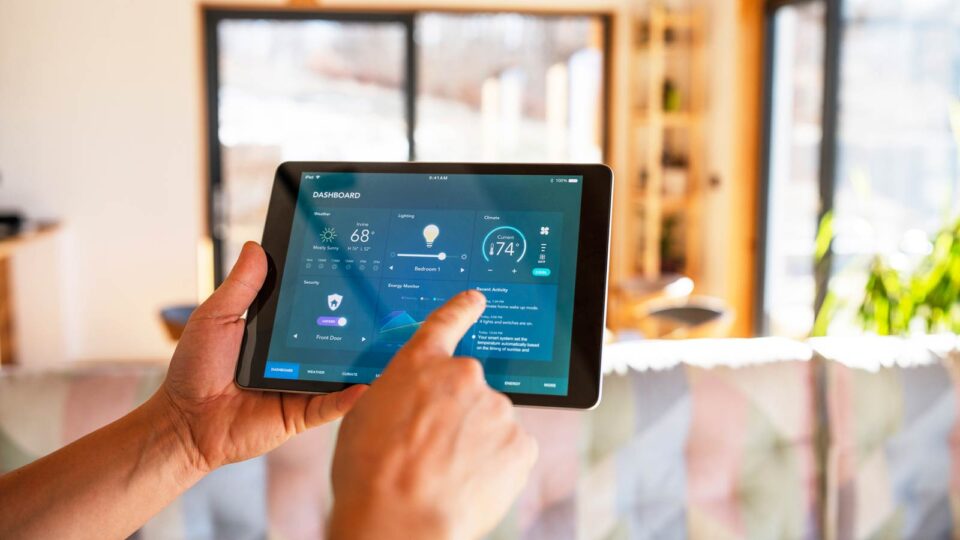
Smart homes are no longer defined by novelty gadgets alone. They are ecosystems—interconnected systems that learn, adapt, and respond to occupants in real time. Within this ecosystem, HVAC (Heating, Ventilation, and Air Conditioning) plays a central role, quietly shaping comfort, energy efficiency, health, and overall living experience.
As homes become more intelligent, HVAC systems have evolved from simple temperature controllers into data-driven, adaptive platforms that interact seamlessly with other smart technologies.
HVAC as the Backbone of Smart Home Comfort
Comfort is the most immediate and noticeable benefit of a smart home, and HVAC systems are at the heart of it. Modern smart HVAC solutions go far beyond setting a fixed temperature.
They continuously analyze environmental data such as:
-
Indoor and outdoor temperature
-
Humidity levels
-
Occupancy patterns
-
Time of day and seasonal trends
By processing this information, smart HVAC systems maintain optimal indoor conditions automatically, eliminating the need for constant manual adjustments.
Integration with Smart Home Platforms
A defining feature of smart HVAC systems is their ability to integrate with broader smart home platforms. Rather than operating in isolation, HVAC units communicate with other connected devices to create a unified living environment.
Key integration points include:
-
Smart thermostats that learn user preferences over time
-
Motion and occupancy sensors that reduce heating or cooling in unused rooms
-
Smart windows and blinds that adjust airflow and sunlight exposure
-
Voice assistants and mobile apps for hands-free and remote control
This level of integration allows the HVAC system to act proactively instead of reactively, enhancing both comfort and efficiency.
Energy Efficiency and Cost Optimization
One of the most impactful contributions of HVAC systems in smart homes is energy optimization. Heating and cooling account for a significant portion of residential energy use, making them prime targets for intelligent control.
Smart HVAC systems improve efficiency through:
-
Adaptive scheduling based on daily routines
-
Zoned heating and cooling to avoid wasted energy
-
Predictive algorithms that anticipate weather changes
-
Real-time energy monitoring with actionable insights
Over time, these features translate into lower utility bills, reduced energy waste, and a smaller environmental footprint—all without sacrificing comfort.
Indoor Air Quality and Health Benefits
Smart homes are increasingly focused on wellness, and HVAC systems play a major role in maintaining healthy indoor environments.
Advanced HVAC setups monitor and manage:
-
Airborne pollutants
-
Allergens and dust levels
-
Carbon dioxide concentration
-
Humidity balance to prevent mold growth
With automated ventilation and filtration, smart HVAC systems ensure that indoor air remains clean and breathable, especially important for households with children, elderly residents, or individuals with respiratory conditions.
Predictive Maintenance and System Longevity
Traditional HVAC systems often rely on reactive maintenance—fixing problems only after performance declines or failures occur. Smart HVAC systems change this approach entirely.
Using sensors and performance data, they can:
-
Detect inefficiencies early
-
Alert homeowners to filter replacements
-
Identify component wear before breakdowns
-
Schedule maintenance proactively
This predictive maintenance not only reduces unexpected repair costs but also extends the lifespan of HVAC equipment.
Data-Driven Personalization
Personalization is what truly differentiates smart homes from conventional ones. HVAC systems collect usage data over time to understand individual preferences.
As a result, they can:
-
Adjust temperatures based on personal comfort profiles
-
Adapt settings for different household members
-
Learn seasonal behavior patterns automatically
The system becomes more accurate the longer it operates, creating a living environment that feels tailored rather than programmed.
Security and Remote Accessibility
Smart HVAC systems also contribute to home security and peace of mind. Remote access allows homeowners to monitor and control their systems from anywhere.
This capability enables:
-
Adjusting temperatures while traveling
-
Receiving alerts for abnormal system behavior
-
Preventing frozen pipes during winter absences
-
Ensuring energy isn’t wasted when the home is unoccupied
Remote visibility adds a layer of control that traditional HVAC systems simply cannot offer.
The Future of HVAC in Smart Homes
As smart home ecosystems continue to mature, HVAC systems are expected to become even more intelligent. Future developments are likely to include deeper AI-driven optimization, tighter integration with renewable energy sources, and enhanced sustainability features.
Rather than being just a background utility, HVAC will continue to function as a core intelligence hub, balancing comfort, efficiency, health, and environmental responsibility.
Frequently Asked Questions (FAQs)
1. How does a smart HVAC system differ from a traditional HVAC system?
A smart HVAC system uses sensors, connectivity, and automation to adjust heating and cooling dynamically, while traditional systems rely on manual control and fixed schedules.
2. Can smart HVAC systems work in older homes?
Yes, many smart HVAC components like thermostats and sensors can be retrofitted into existing homes without major renovations.
3. Do smart HVAC systems really reduce energy consumption?
When properly configured, smart HVAC systems can significantly lower energy use by optimizing schedules, zoning, and real-time adjustments.
4. Is a smart HVAC system difficult to manage?
Most systems are designed with user-friendly apps and interfaces, making them easier to manage than conventional systems.
5. How does smart HVAC improve indoor air quality?
It monitors air conditions continuously and adjusts ventilation and filtration automatically to maintain healthier indoor air.
6. Are smart HVAC systems secure from cyber threats?
Reputable systems use encryption and regular software updates to minimize security risks, especially when connected to secure home networks.
7. What should homeowners consider before upgrading to a smart HVAC system?
Key considerations include compatibility with existing equipment, long-term energy savings, maintenance needs, and integration with other smart home devices.