
A pest-free home doesn’t require toxic sprays or harsh treatments. With smart prevention, natural deterrents, and consistent habits, you can protect your living space while keeping your family, pets, and the environment safe. Below is a practical, science-backed guide to natural pest control that actually works.
Why Avoid Chemical Pesticides Indoors?
Many conventional pesticides contain compounds that linger in indoor air and on surfaces. Over time, exposure can contribute to respiratory irritation, skin sensitivity, and unnecessary environmental harm.
Choosing natural methods helps you:
-
Reduce indoor air pollution
-
Protect children and pets from accidental exposure
-
Prevent pests without disrupting beneficial insects
-
Avoid pesticide resistance that makes infestations harder to control
Start With Prevention: Block Pests at the Source
The most effective pest control begins before insects and rodents get inside.
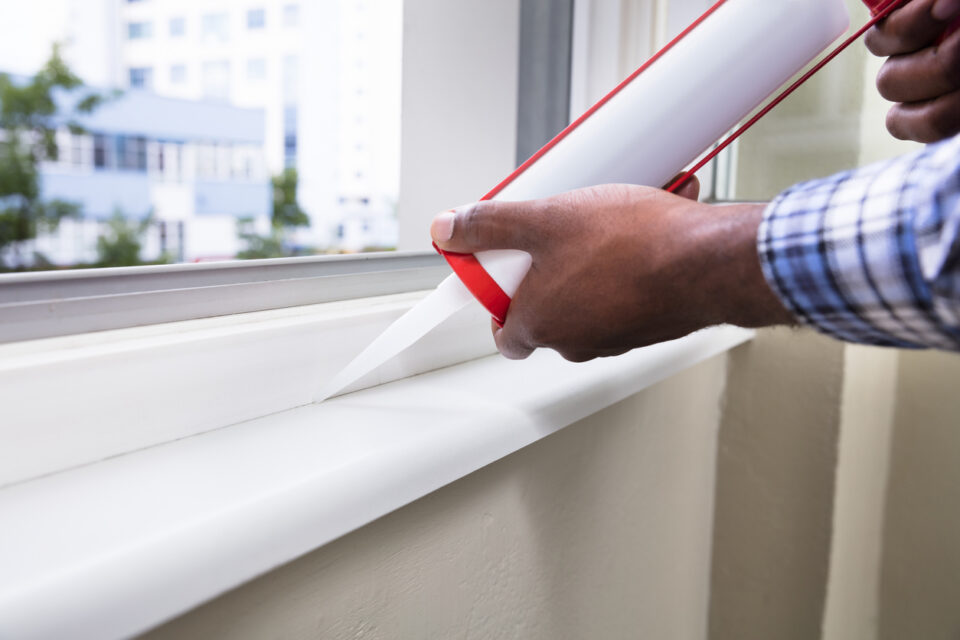
Seal Entry Points
Pests often enter through gaps you barely notice.
-
Fill cracks around windows, doors, and foundations
-
Repair torn window screens
-
Seal gaps around pipes and vents with caulk or steel wool
Manage Moisture
Moist environments attract ants, cockroaches, and silverfish.
-
Fix leaky faucets and pipes promptly
-
Use exhaust fans in kitchens and bathrooms
-
Avoid standing water near sinks and plant trays
Keep Your Home Unattractive to Pests
Pests stay where food and shelter are easy to find.
Smart Cleaning Habits
Consistency matters more than harsh cleaners.
-
Wipe kitchen counters daily
-
Sweep floors to remove crumbs
-
Store food in airtight containers
-
Take trash out regularly
Declutter Storage Areas
Basements, garages, and closets often become nesting zones.
-
Reduce cardboard storage
-
Organize items in sealed plastic bins
-
Vacuum hidden corners and baseboards
Natural Repellents That Actually Work
Certain scents and substances disrupt pest behavior without harming people.
Essential Oils
Many insects rely on scent to navigate.
-
Peppermint oil: Effective against ants, spiders, and mice
-
Eucalyptus oil: Repels flies and mosquitoes
-
Lavender oil: Deters moths and fleas
Mix 10–15 drops with water and spray entry points weekly.
Household Staples
Simple pantry items can be surprisingly effective.
-
Vinegar breaks ant scent trails
-
Baking soda + sugar helps control roaches naturally
-
Diatomaceous earth (food-grade) damages insect exoskeletons without toxins
Use Nature to Your Advantage
Working with nature often produces longer-lasting results.
Encourage Natural Predators
-
Spiders reduce flying insect populations
-
Birds help control outdoor pests
-
Beneficial insects keep gardens balanced
Choose Pest-Resistant Plants
Indoors and outdoors, certain plants naturally repel pests.
-
Basil and mint discourage flies
-
Rosemary repels mosquitoes
-
Bay leaves deter pantry insects
Outdoor Habits That Protect Your Indoors
Many infestations start outside and move in.
-
Trim vegetation away from walls
-
Store firewood away from the house
-
Keep gutters clean and flowing
-
Avoid overwatering gardens near foundations
When Natural Methods Aren’t Enough
Occasional infestations may require extra support.
-
Use targeted traps instead of sprays
-
Apply natural treatments repeatedly rather than aggressively
-
Seek eco-friendly pest professionals for persistent problems
FAQs: Natural Pest Control at Home
1. How long do natural pest control methods take to work?
Most natural solutions work gradually. You may see reduced activity within days, but lasting results often take 2–3 weeks of consistent use.
2. Are essential oils safe to use around pets?
Some oils can be harmful to pets if used improperly. Always dilute oils, avoid direct contact, and research pet-safe options before use.
3. Can natural pest control eliminate infestations completely?
Natural methods are best for prevention and mild-to-moderate infestations. Severe cases may need professional eco-friendly intervention.
4. Does diatomaceous earth work for all pests?
It’s effective against crawling insects like ants, roaches, and fleas but less useful for flying pests.
5. How often should natural repellents be reapplied?
Most sprays should be reapplied weekly or after cleaning, as natural ingredients don’t persist like chemicals.
6. What attracts pests the most inside homes?
Food crumbs, moisture, clutter, and warmth are the biggest attractors.
7. Is natural pest control more expensive long-term?
Usually no. Many solutions use affordable household items and reduce the need for repeated chemical purchases.