
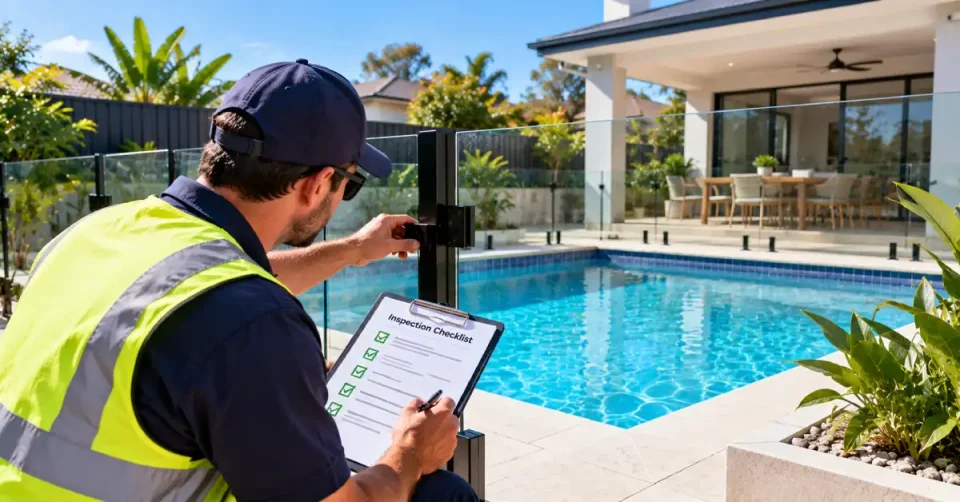
A backyard pool brings years of enjoyment, but it also carries legal responsibilities. In New South Wales, pool owners must meet strict safety standards designed to prevent child drowning. Swimming pool certifiers in NSW inspect pools to confirm they comply with state law and the relevant Australian Standard.
This guide explains how certification works, what inspectors check and how to prepare your pool. Understanding the role of swimming pool certifiers in NSW can save you time, money and stress, particularly if you plan to sell or lease your property.
Why Pool Certification Matters
The Swimming Pools Act 1992 and the Swimming Pools Regulation 2018 set the rules for residential pools and spas across the state. Any pool or spa that holds more than 300 mm of water falls under this legislation. Registered swimming pool certifiers in NSW, along with local council inspectors, assess pools against these requirements and issue the appropriate certificate.
Every pool must also be listed on the NSW Swimming Pool Register. Registration is free, takes only a few minutes online, and is required before any certificate can be issued.
When You Need a Certificate
You need a valid certificate in these situations:
- Selling a property: The sale contract must include a certificate of compliance, a relevant occupation certificate issued within the last three years, or a certificate of non-compliance. If a certificate of non-compliance is attached, the buyer has 90 days after settlement to fix the defects.
- Leasing a property: Landlords must provide a current certificate of compliance or a relevant occupation certificate to tenants. A certificate of non-compliance is not accepted for leases.
- Tourist and multi-occupancy properties: Pools at these properties require inspection every three years.
A certificate of compliance remains valid for three years from the date of issue.
What Inspectors Check
Certifiers assess the pool barrier against Australian Standard AS 1926.1. Common inspection points include:
- Fence height: Barriers must stand at least 1200 mm high when measured from finished ground level.
- Ground clearance: The gap under the fence must not exceed 100 mm.
- Non-climbable zone: A 900 mm zone must remain clear of climbable objects such as pot plants, barbecues, chairs and tree branches.
- Gates: Gates must open outward from the pool area, self-close from any position and self-latch on every swing.
- Latch height: Latches must sit at least 1500 mm above the ground or be shielded to stop small children reaching them.
- CPR signage: A current, legible resuscitation sign must be displayed near the pool.
Common Reasons Pools Fail
Many pools fail inspection because of small, fixable issues. Garden growth often creates climbable footholds. Gate hinges wear out and stop closing properly. Soil erosion increases the gap under fence panels. Faded CPR signs also lead to failed inspections.
How to Prepare for an Inspection
Walk around your barrier before the inspection. Test every gate from several open positions. Move furniture, toys and planters away from the fence line. Trim shrubs and branches. Measure gaps and fence heights with a tape measure. Replace any worn or outdated signage.
If your pool fails, the certifier will issue a written list of defects. Fix each item promptly, then book a reinspection.
Pool safety laws exist to protect young children. Regular checks, simple maintenance and timely certification keep your pool compliant and your family safe. Register your pool, understand the standard and book an inspection well ahead of any sale or lease.