
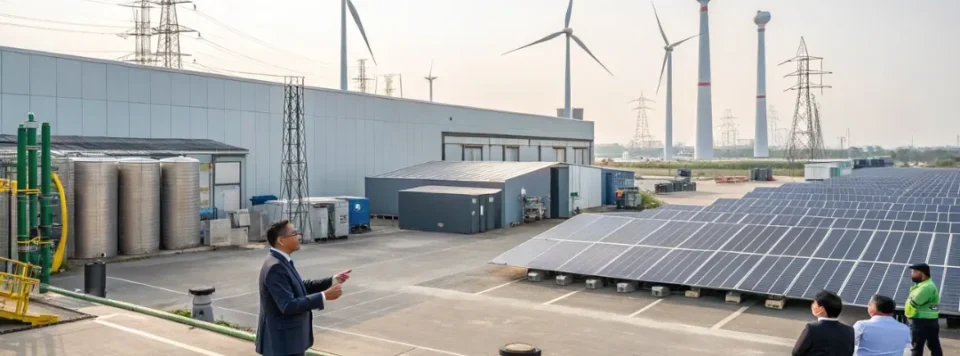
Electricity costs weigh heavily on Thai businesses. As grid tariffs climb and manufacturers face pressure to cut emissions, many companies are looking at long-term ways to secure cleaner, cheaper power. A private PPA service (known as ผู้ให้บริการ private ppa in Thai) offers one practical answer, letting a business buy renewable electricity directly from a generator under a fixed agreement.
A private PPA service, short for Power Purchase Agreement, is a contract between an energy producer and a business that buys the power. Instead of relying solely on the national grid, a company agrees to purchase electricity from a solar, wind, or other renewable source over a set period, often 10 to 20 years. In Thailand, rooftop solar and ground-mounted installations make these arrangements especially workable for factories, warehouses, and commercial sites with space and steady demand.
The appeal comes down to predictability. Grid prices shift with fuel costs and policy changes, which makes budgeting hard. With a private PPA service, a business locks in a rate that stays stable for years. This shields operations from sudden spikes and gives finance teams a clear picture of future energy spending.
Lower and More Predictable Costs
Renewable generation, particularly solar, suits Thailand’s climate well. High sunlight levels across most regions mean solar output stays strong throughout the year. Under a PPA, the developer usually funds, installs, and maintains the equipment. The business pays only for the electricity it uses, often at a rate below standard grid tariffs. There is little to no upfront capital required, which frees cash for other parts of the operation.
Over time, savings add up. As grid prices rise, the gap between the fixed PPA rate and the market rate tends to widen, increasing the benefit. For energy-intensive industries such as food processing, textiles, and electronics, all common across Thai industrial estates, these reductions matter to the bottom line.
Meeting Sustainability Targets
Thai exporters face growing demand from international buyers to prove low-carbon operations. Global supply chains now expect suppliers to report emissions and show progress toward renewable energy use. A PPA gives a business direct access to clean power and a clear record of that consumption.
This supports carbon reduction goals and strengthens compliance with tightening regulations. It also helps companies respond to schemes such as carbon border taxes in export markets, which reward cleaner production. Buying renewable power through a structured agreement makes these claims verifiable rather than aspirational.
A Practical Fit for Thailand
Government support for renewable energy, combined with falling solar equipment costs, has made these agreements more accessible. Businesses of many sizes can now consider them, not only large corporations. The model works well where a site has reliable daytime demand and suitable roof or land area.
For Thai businesses balancing tight margins against rising environmental expectations, a PPA brings both goals together. It reduces exposure to volatile prices while cutting emissions in a measurable way. As the country moves toward its net-zero commitments, these agreements are set to play a steady role in how companies power their operations responsibly and affordably.