
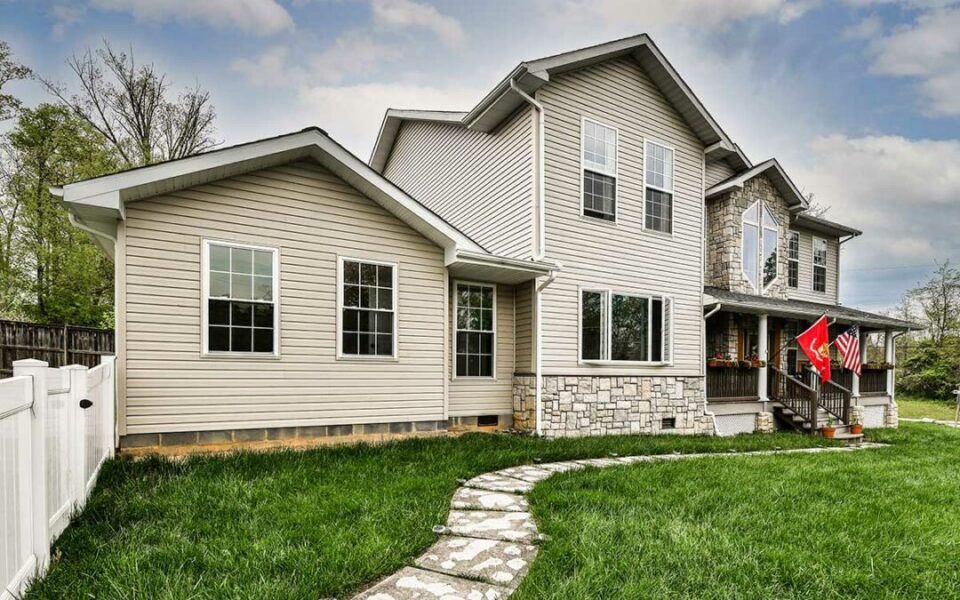
Expanding your home is an exciting journey, more space, more functionality, and often, more value. But one challenge homeowners frequently face is making sure the addition doesn’t feel like an afterthought. A poorly designed extension can stand out in all the wrong ways, disrupting the visual harmony and flow of the original structure. The goal, therefore, is simple yet nuanced: create a home addition that feels like it has always been there.
Achieving this level of cohesion requires thoughtful planning, attention to detail, and a deep understanding of both architecture and lifestyle needs. Whether you’re adding a new bedroom, extending your kitchen, or building a second story, the principles remain the same.
Start With the Home’s Existing Character
Every home has a personality, defined by its architecture, materials, layout, and even the era in which it was built. Before diving into home addition remodeling, take a step back and analyze what makes your home unique.
Look at:
- Rooflines and pitch
- Window styles and placements
- Exterior materials like brick, stucco, or wood
- Interior design elements such as moldings, flooring, and ceiling height
Your addition should echo these elements rather than compete with them. For instance, if your home features arched windows or exposed beams, incorporating similar details into the new space will create visual continuity.
Maintain Proportion and Scale
One of the most common mistakes in home additions is mismatched proportions. An oversized addition can overwhelm the original structure, while a smaller, poorly aligned one can feel disconnected.
To avoid this:
- Align floor levels with the existing structure
- Match ceiling heights as closely as possible
- Ensure the addition complements, not dominates, the home’s footprint
Good design is about balance. When proportions are thoughtfully maintained, the addition blends seamlessly into the overall structure.
Seamless Flow Is Everything
A home should feel like a cohesive experience, not a series of disconnected rooms. When planning your addition, think beyond just the new space, consider how it connects to the existing layout.
Ask yourself:
- Does the transition feel natural?
- Are doorways and hallways logically placed?
- Does the traffic flow remain uninterrupted?
For example, extending a kitchen into a dining area should feel intuitive, not forced. Open floor plans can help, but even traditional layouts can achieve seamless flow with careful planning.
Match Materials and Finishes
Nothing disrupts continuity more than mismatched materials. If your original home features hardwood flooring, introducing a drastically different material in the new space can make the addition stand out in a jarring way.
Consistency is key in home addition remodeling:
- Use similar flooring or choose complementary options
- Match paint colors or maintain a cohesive palette
- Replicate trim styles, baseboards, and cabinetry
If exact matches aren’t possible—especially in older homes. Opt for materials that closely resemble the original ones in tone and texture.
Pay Attention to Exterior Details
While interior design is crucial, the exterior is where first impressions are formed. A well-designed addition should look like it was part of the original blueprint.
Focus on:
- Roof integration: Avoid awkward joints or mismatched angles
- Siding and finishes: Use the same or similar materials
- Window alignment: Keep spacing and proportions consistent
Even small details like gutter placement and paint color can make a big difference in how cohesive the structure appears.
Work With Natural Light
Lighting plays a huge role in how a space feels. A poorly lit addition can feel disconnected, even if the design is otherwise flawless.
Maximize natural light by:
- Aligning new windows with existing ones
- Using similar window styles and sizes
- Considering skylights or glass doors for added brightness
When the light quality remains consistent throughout the home, the addition feels like a natural extension rather than a separate zone.
Respect Structural Integrity
Behind every beautiful addition is solid engineering. Structural consistency ensures not just safety but also aesthetic harmony.
During home addition remodeling, professionals often:
- Extend existing load-bearing systems
- Use compatible construction techniques
- Ensure foundation alignment
This behind-the-scenes work is what allows the addition to integrate seamlessly, both visually and structurally.
Blend Old and New Thoughtfully
In some cases, homeowners want a slightly modern touch in their addition while preserving the original charm. This can work beautifully if done right.
The trick is subtle contrast, not stark difference.
For example:
- Pair traditional exteriors with slightly modern interiors
- Use updated fixtures while maintaining classic layouts
- Introduce contemporary materials in a restrained way
This approach allows your home to evolve without losing its identity.
Think Long-Term
A well-designed addition should not only look good today but also stand the test of time. Trends come and go, but cohesive design remains timeless.
Consider:
- Durability of materials
- Future resale value
- Adaptability of the space
A thoughtful home addition remodeling project enhances not just your current lifestyle but also the long-term appeal of your property.
Collaborate With the Right Professionals
Designing a seamless home addition isn’t a DIY project. It requires the expertise of architects, designers, and contractors who understand how to merge old with new.
The right team will:
- Analyze your home’s architecture
- Create detailed, cohesive plans
- Ensure high-quality execution
Their experience can help you avoid costly mistakes and achieve a result that truly feels like part of the original build.
Final Thoughts
A successful home addition doesn’t announce itself. It simply belongs. It feels natural, intuitive, and harmonious with the rest of the house. Achieving this level of integration requires more than just adding square footage; it demands thoughtful design, attention to detail, and a clear vision.
When done right, home addition remodeling becomes more than a renovation. It becomes a seamless evolution of your home. The new space doesn’t just meet your needs; it enhances your entire living experience while preserving the character you fell in love with in the first place.